The world of Asian ceramics is a rich tapestry woven with millennia of history, trade, and artistry. While both Vietnamese and Chinese vases share a common geographic heritage and have influenced each other, they stand apart in their materials, philosophy, and finished aesthetic.
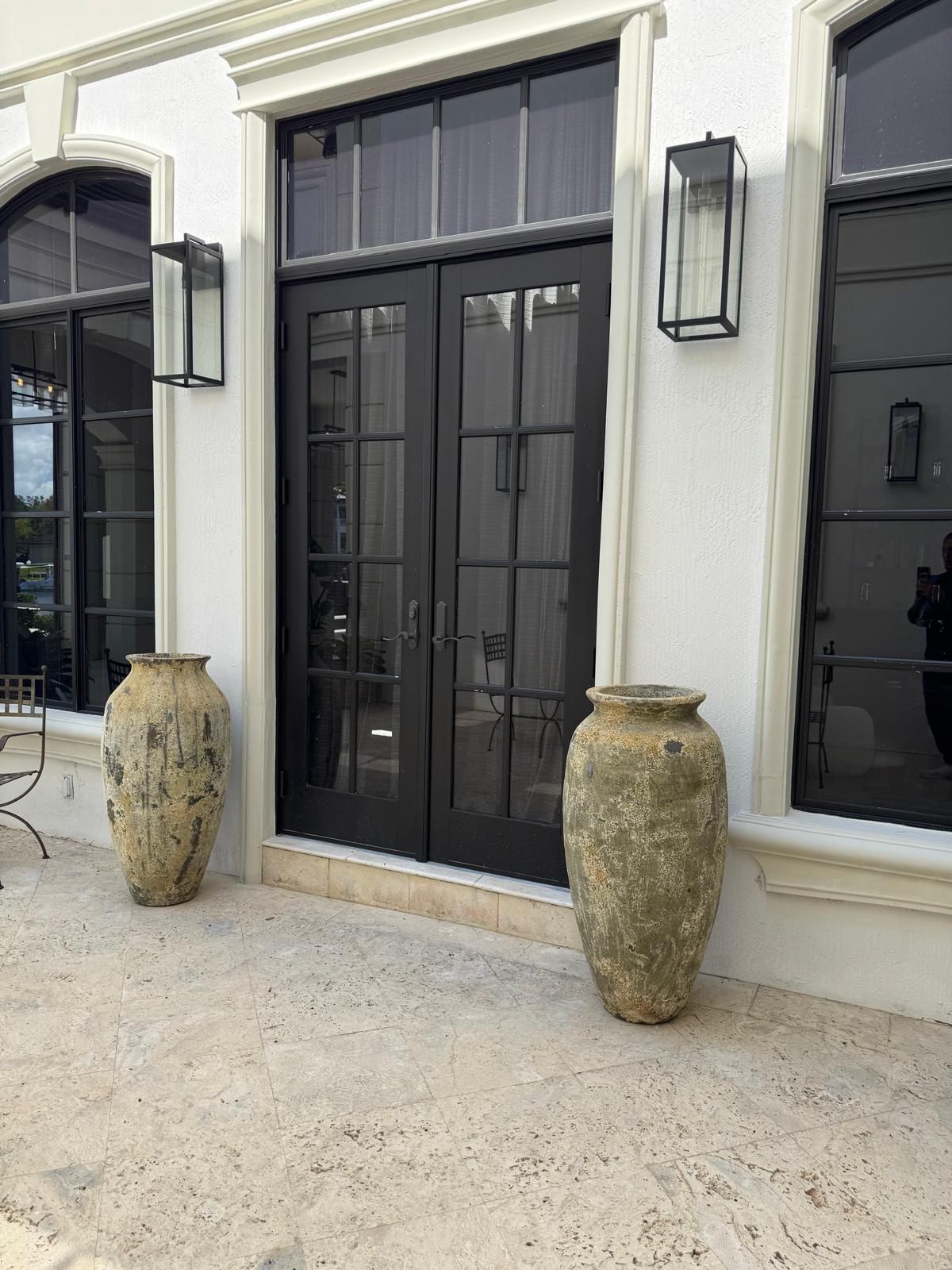
For collectors and homeowners alike, understanding these fundamental differences is key to appreciating the unique value of each piece. This is particularly true for Horizon’s rustic ceramic Vietnamese vases, whose charm lies in their earthy authenticity, a stark contrast to the refined, imperial precision often associated with high-era Chinese porcelain.
Here is a breakdown of the defining characteristics that distinguish these two traditions:
1. Design Philosophy & Decoration
The visual differences between the two styles reflect contrasting cultural priorities: the symbolic grandeur of the imperial court versus the natural spontaneity of local life.
Chinese Vases: Precision and Symbolism
Motifs: Highly intricate, detailed, and symbolic designs dominate. Common themes include mythological scenes (e.g., Dragons, Phoenixes), complex landscapes, and detailed philosophical/religious symbols (e.g., The Eight Auspicious Symbols, the Shou character for longevity).
Design Execution: Famous for technical perfection and balance, such as the precision of Blue-and-White wares from Jingdezhen. Forms often include specialized, highly refined shapes like the Meiping (Plum Vase) or the Moon Flask.
Horizon’s Rustic Vietnamese Vases: Spontaneity and Nature
Motifs: Designs are typically simpler, more naturalistic, and spontaneous. Motifs often feature stylized local flora, fauna, and scenes of everyday life, reflecting a focus on practical and cultural items.
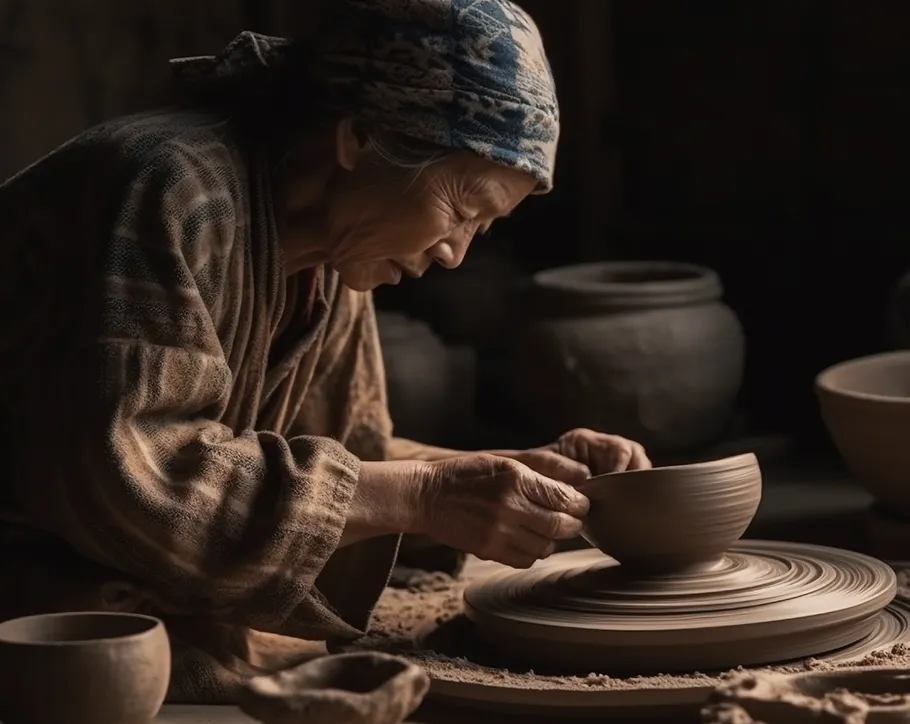
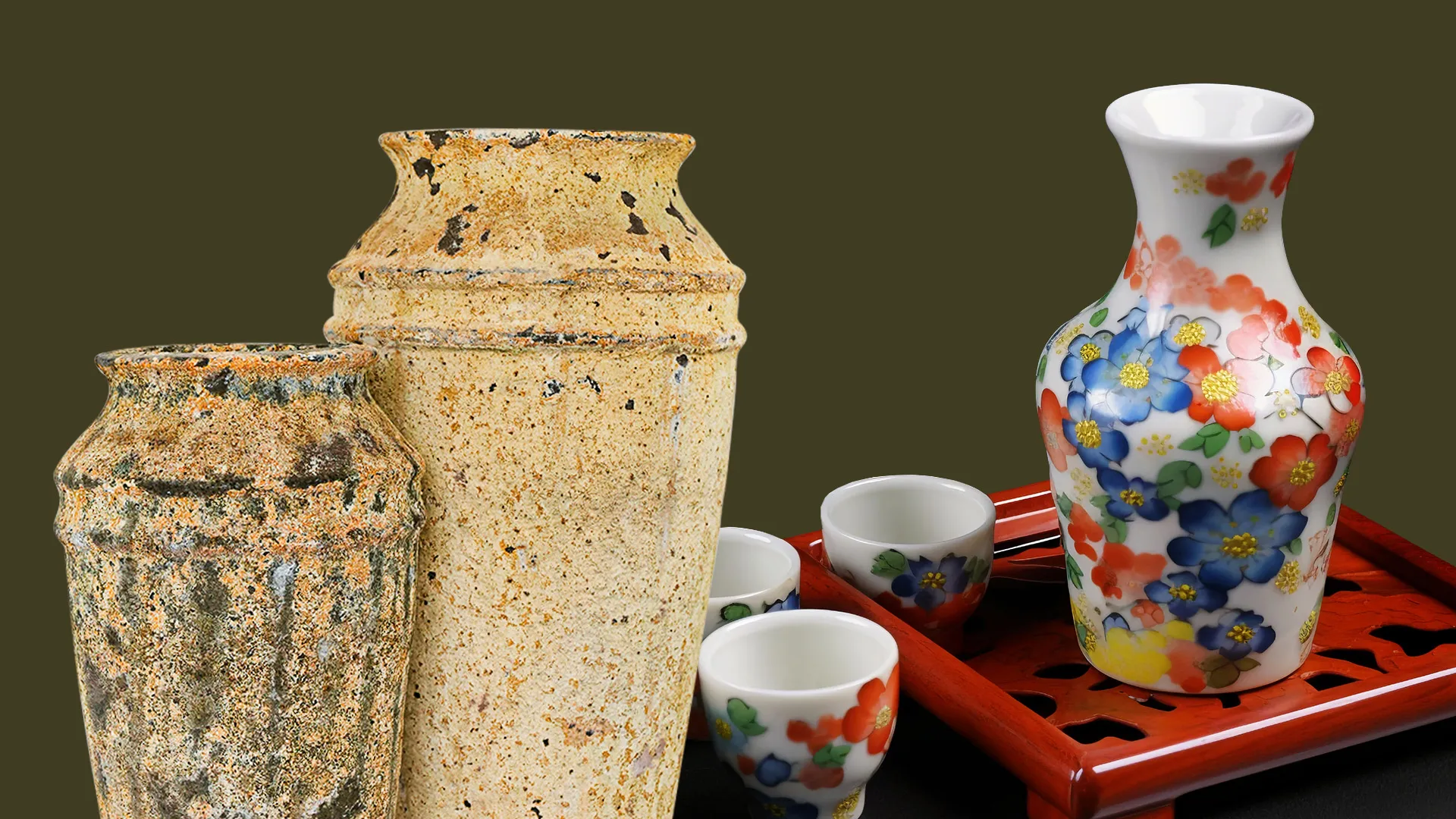
Design Execution: The style is often described as more fluid and expressive with a "free application" of pigment, resulting in pieces that are expressive rather than technically perfect. Rustic pieces often prioritize raw texture (e.g., carved reliefs or unglazed clay) over intricate painted detail.
2. Glazes and Finish
Glazes are perhaps the quickest way to visually distinguish the two styles.
Chinese Glazes: Famous for an enormous range of highly colored and specialized glazes (e.g., Sancai, celadon, oxblood red, monochrome glazes) and decorative techniques like Doucai (underglaze blue and overglaze enamel). The finish is generally smooth, consistent, and highly polished.
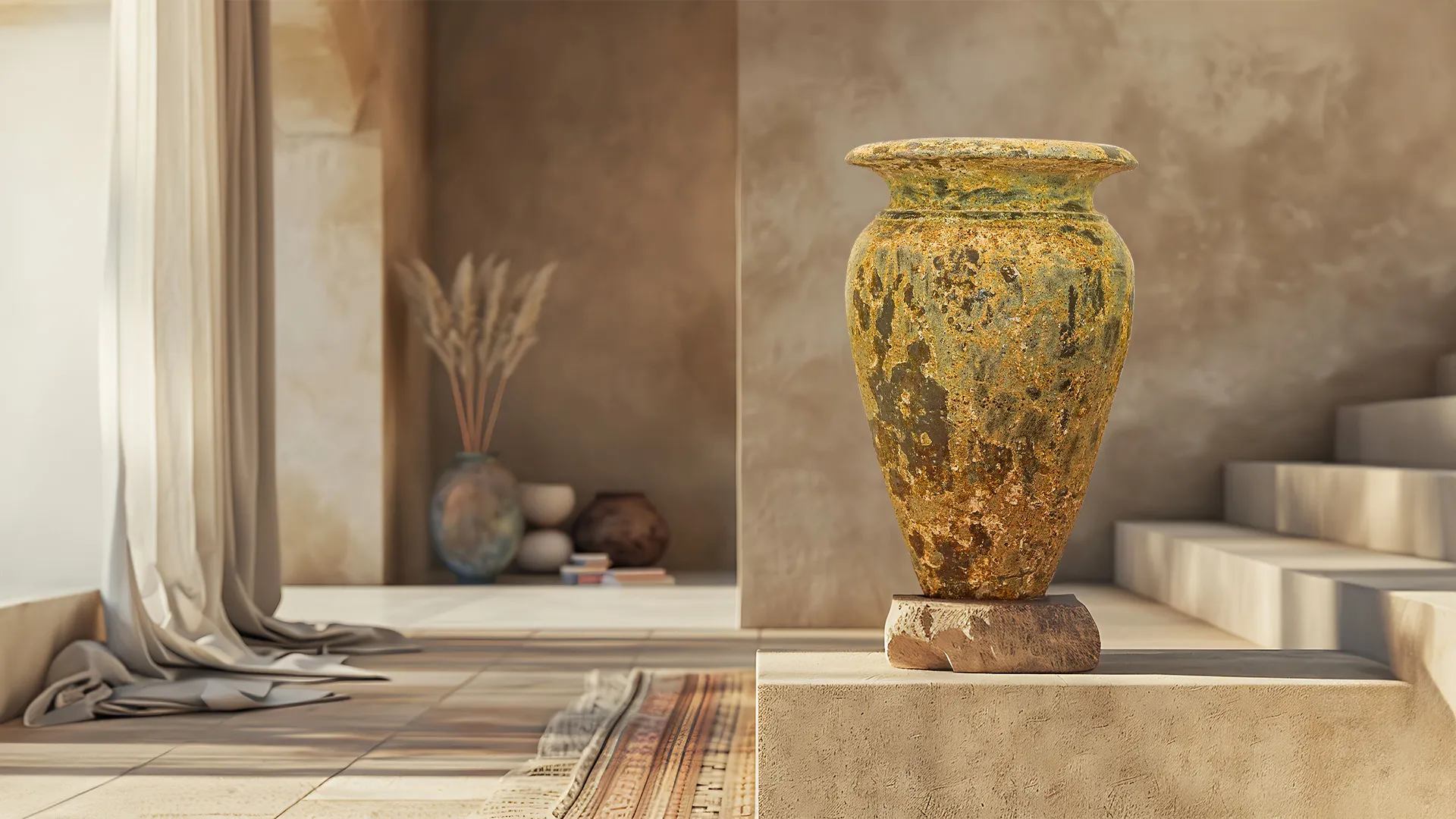
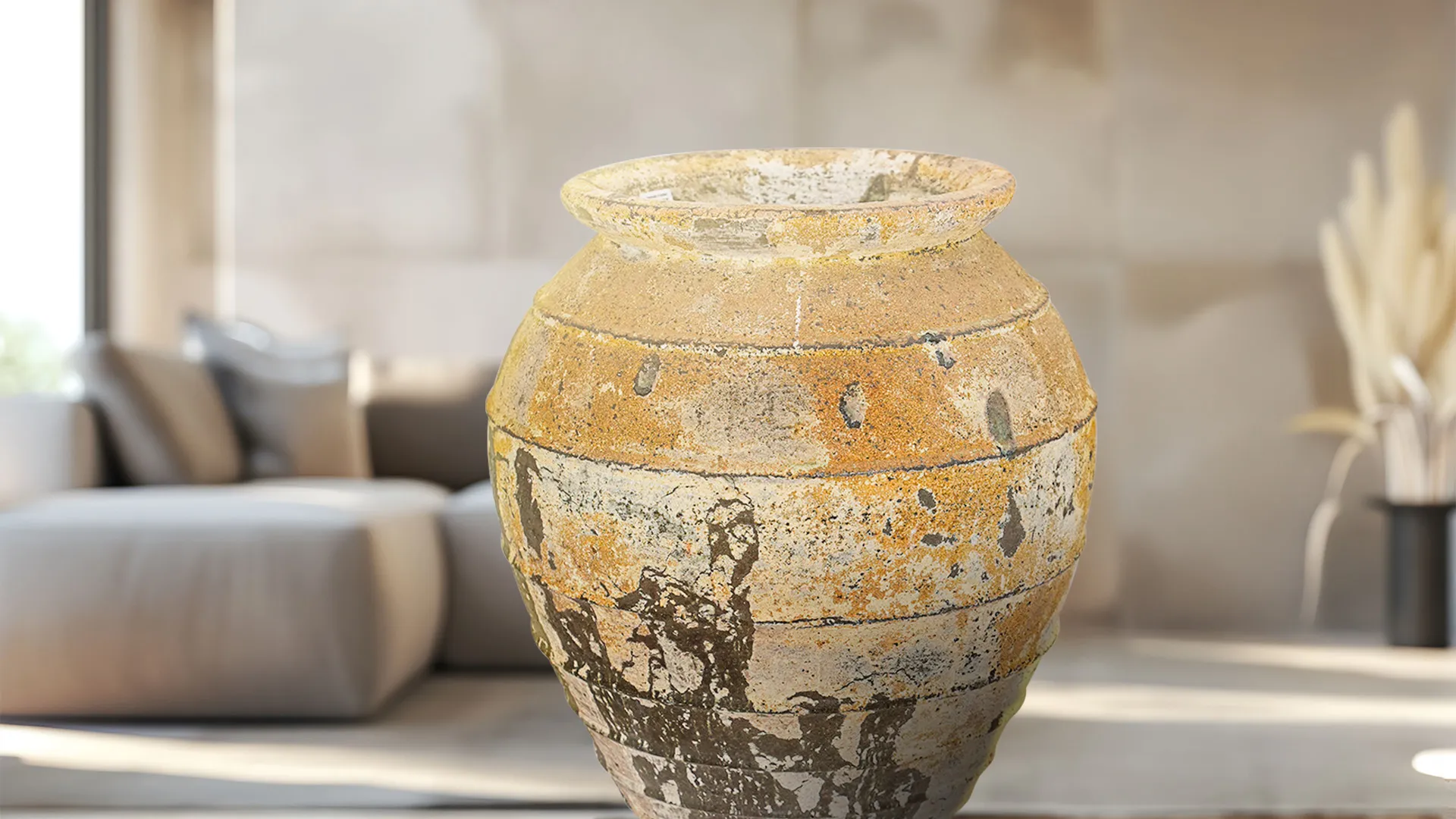
Vietnamese Glazes: While they may feature rich colors (such as the distinctive blue-green "sky-after-rain"celadon), they are known for having a unique, earthy tone and an attractive tendency to "pool and run" during firing, creating interesting, imperfect textures and patterns. This rustic finish is a central part of their appeal.
Why Horizon’s Vases Belong in the Modern Home
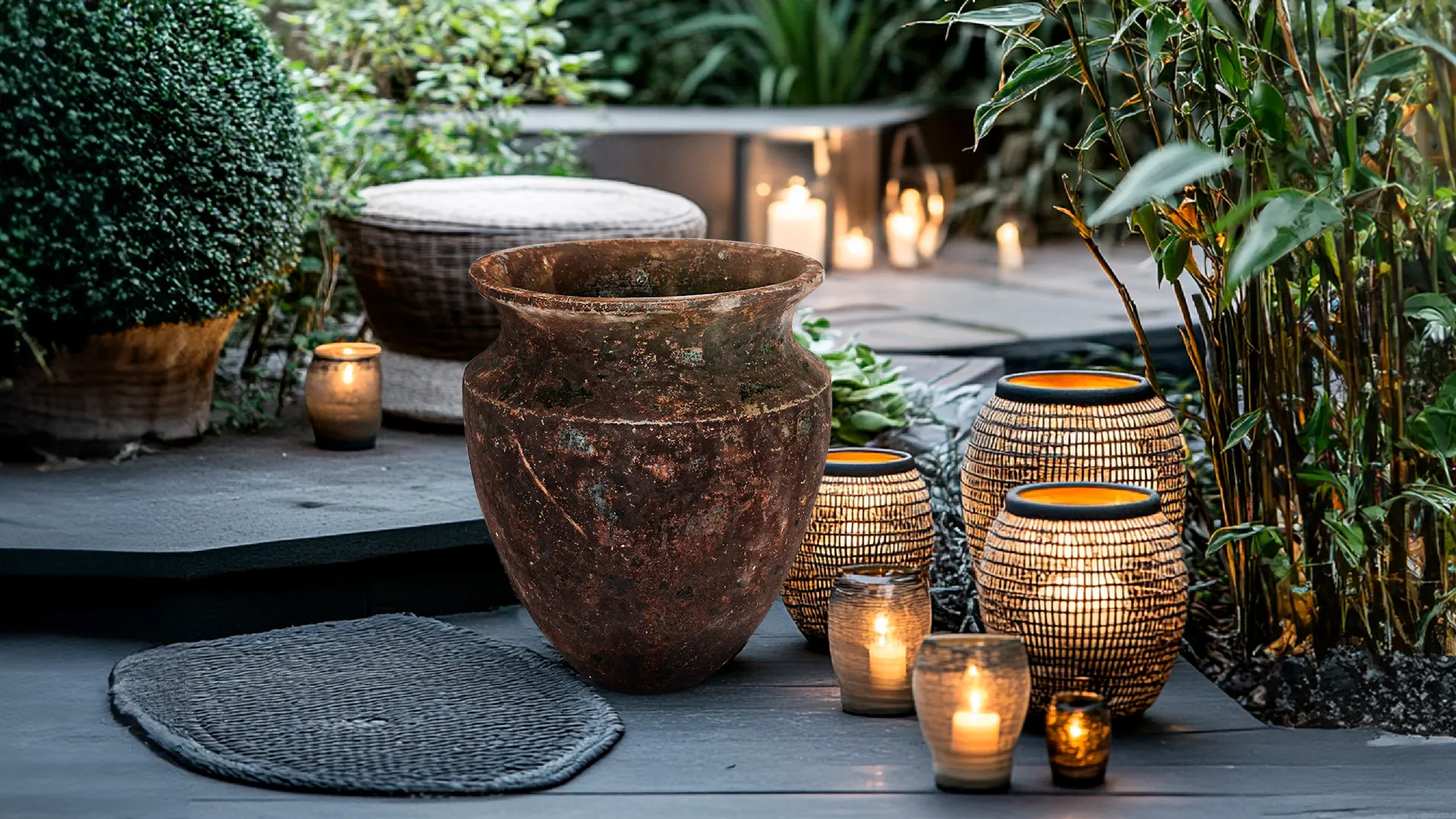
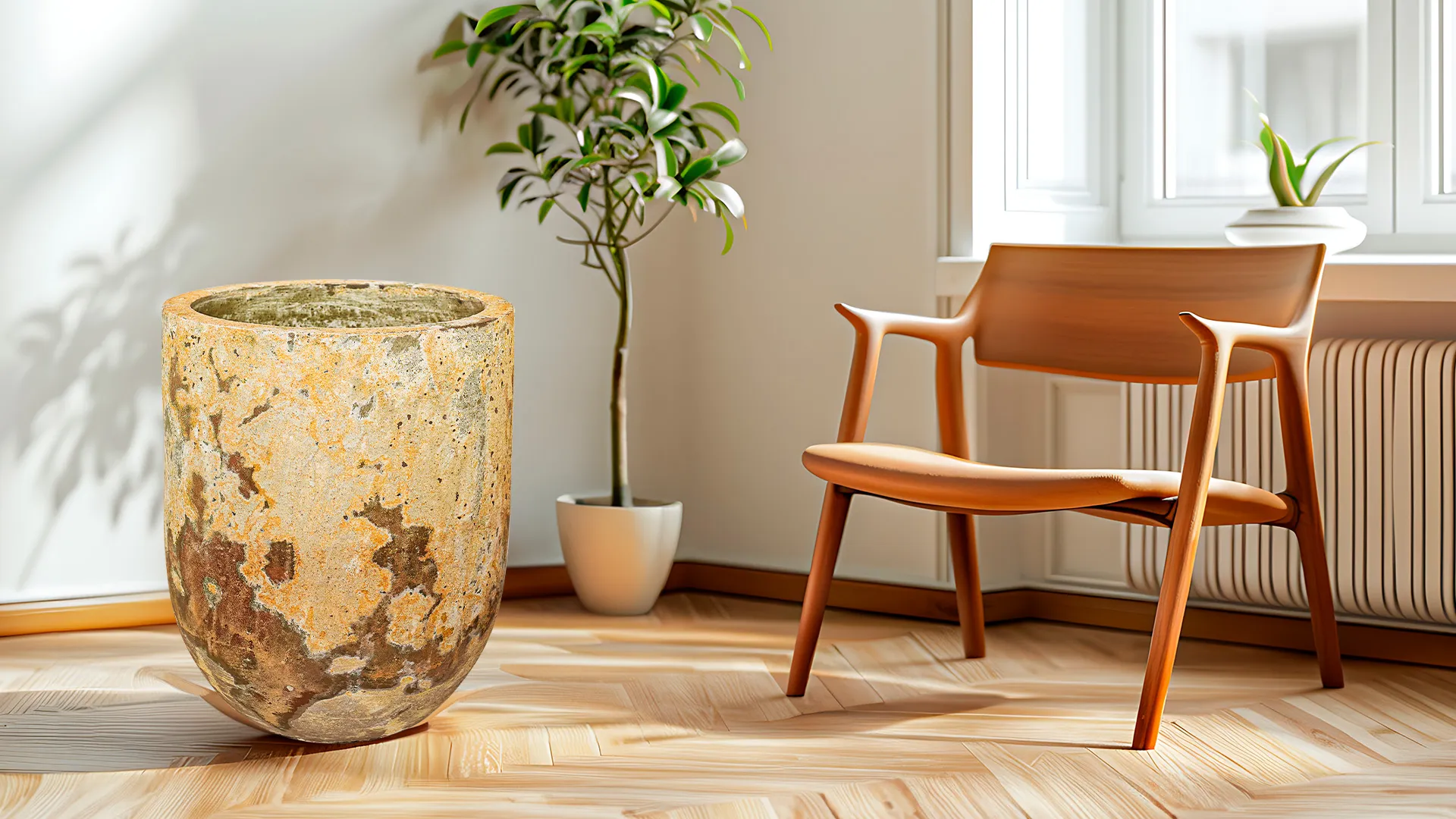
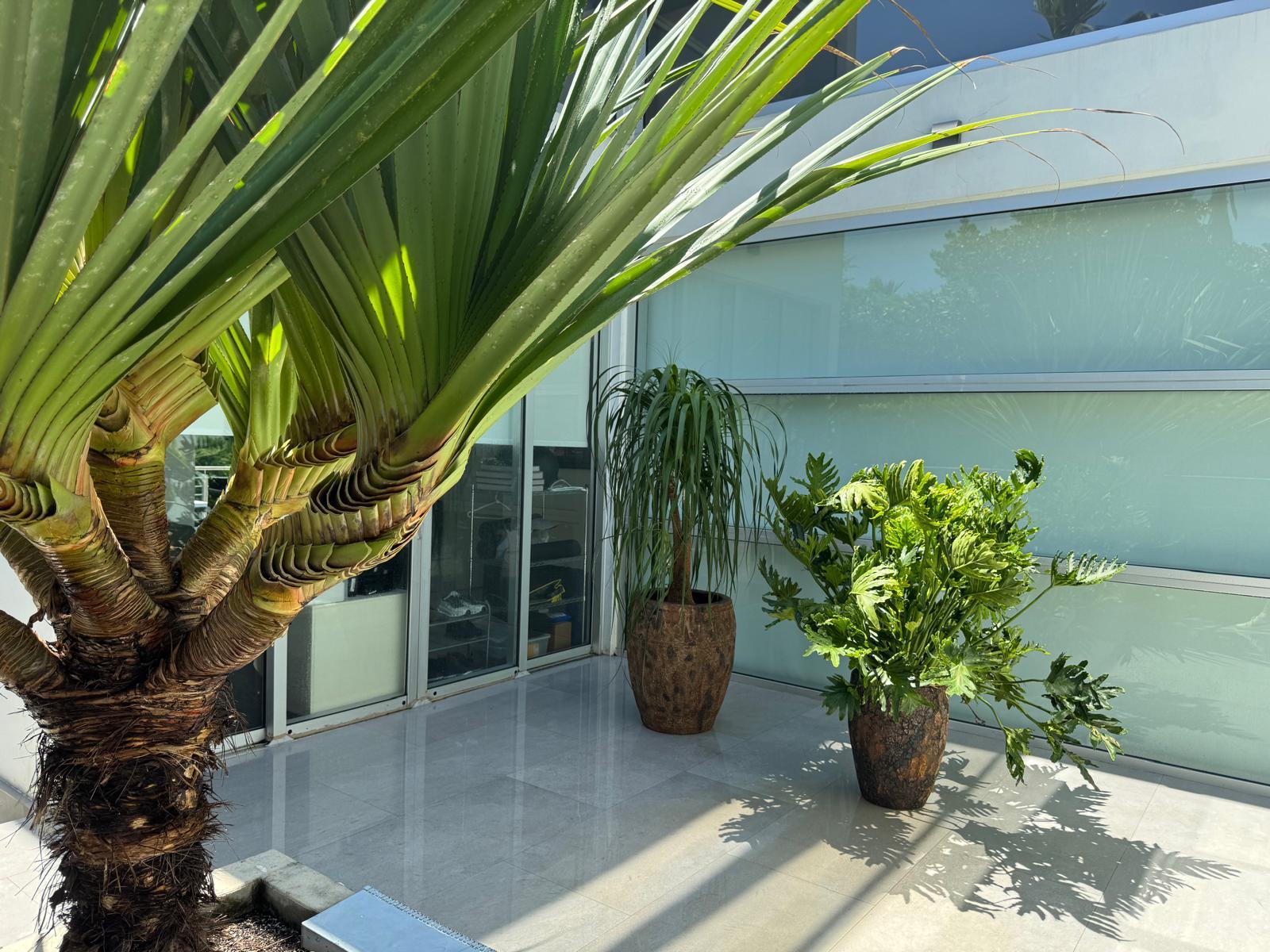
Horizon's rustic ceramic Vietnamese vases capture this distinct "craft over court" identity. In a world of mass production, their intentional imperfections, organic textures, and rich, earthy glazes offer a tangible connection to the past and the hands that made them.
They provide the authenticity, texture, and natural grounding that are highly sought after in contemporary luxury and Organic Modern design, contrasting beautifully with the sleek, polished surfaces that define much of the high-end home.