The spaces we inhabit have a profound influence on our emotions, behavior, and overall well-being. From residential interiors to outdoor retreats, every design element — from lighting and colors to textures and natural materials — shapes the way we experience an environment.
This is where neuroarchitecture comes into play: an approach that combines neuroscience, psychology, and architecture to create spaces that support comfort, balance, and a deeper connection with nature.
The Sensory Power of Natural Materials
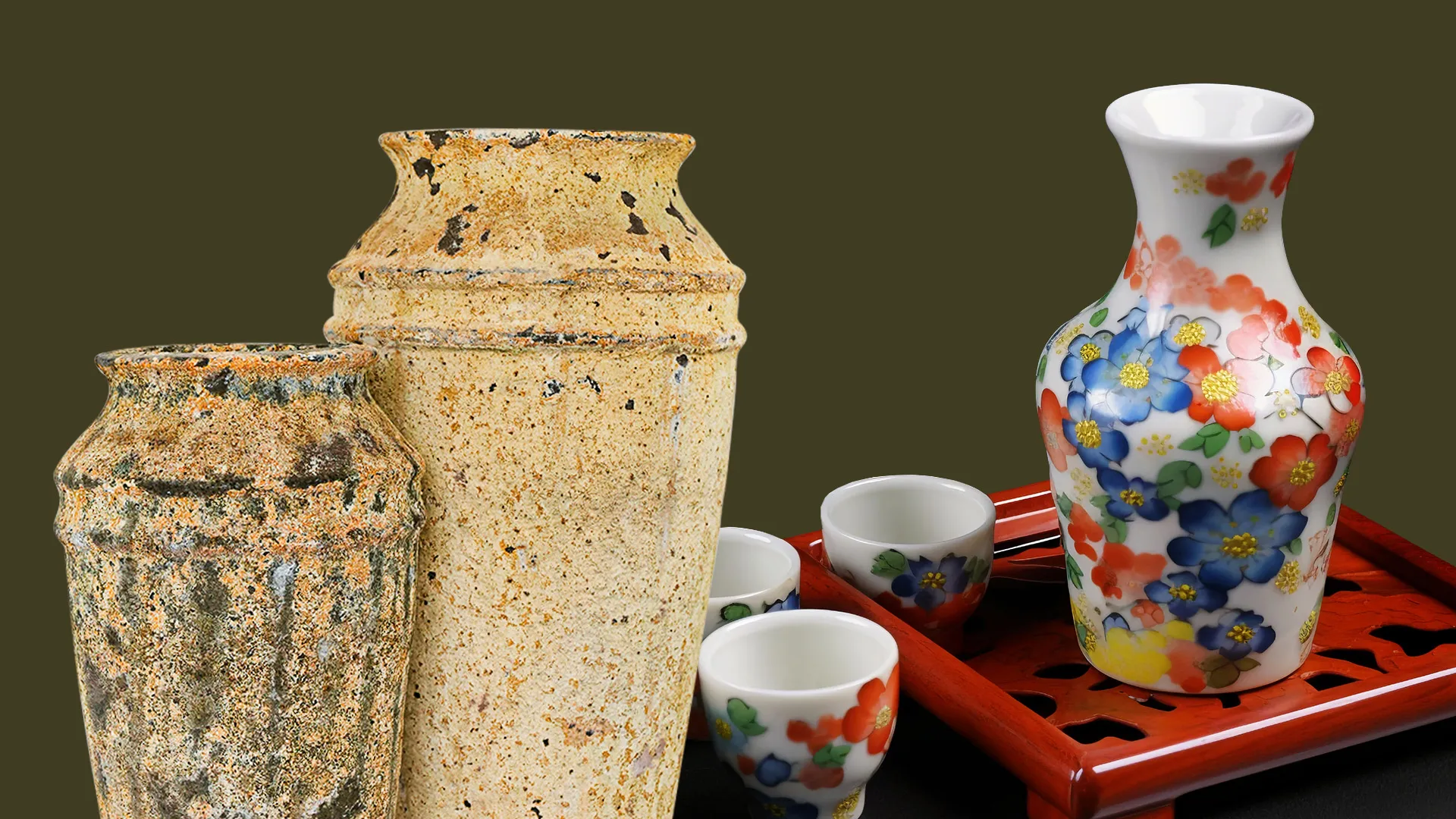
Natural materials play an important role in how we perceive and experience a space. Organic textures, subtle imperfections, earthy tones, and handcrafted finishes introduce sensory depth and visual warmth into architectural environments.
Unlike perfectly uniform, mass-produced surfaces, natural materials offer variations that make each piece unique. These details invite closer observation, create visual interest, and help establish a stronger connection between the built environment and the natural world.
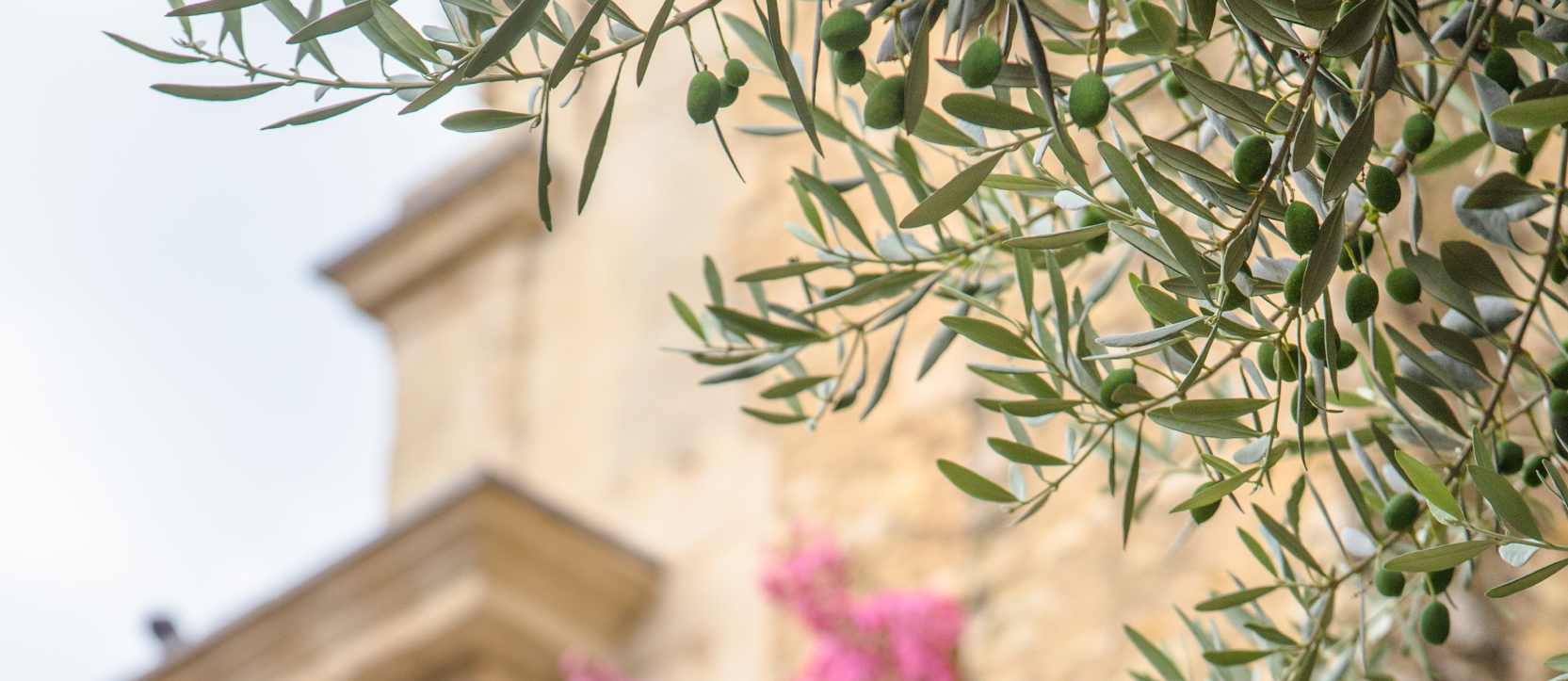
Stone, clay, and other organic elements can bring a sense of authenticity and timelessness to both interior and exterior spaces.
How Pottery Enhances the Experience of a Space
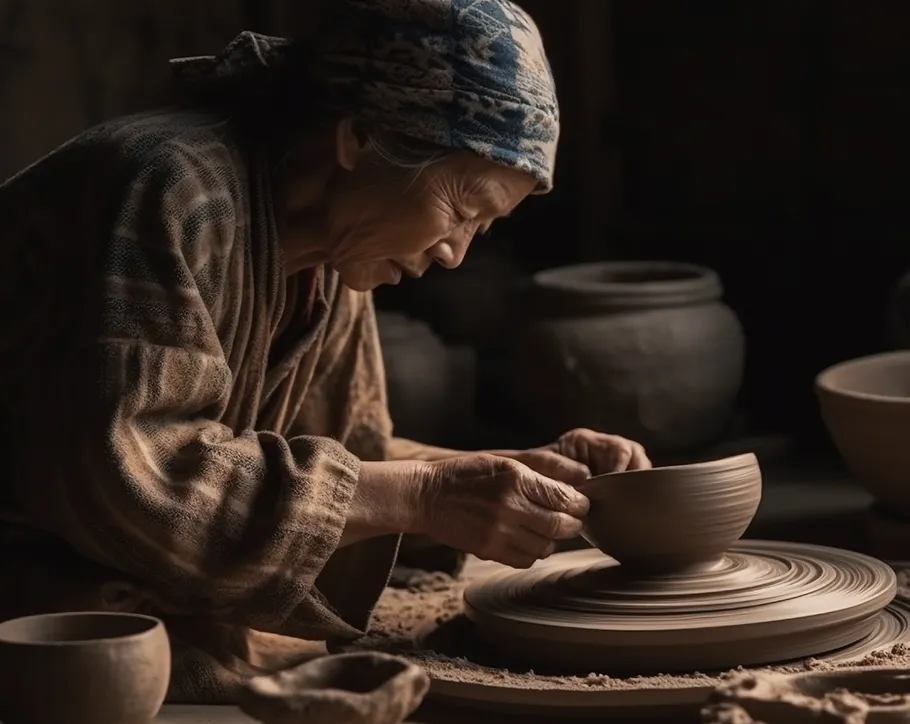
At Horizon Pottery, handcrafted pottery is an expression of the relationship between nature, craftsmanship, and design.
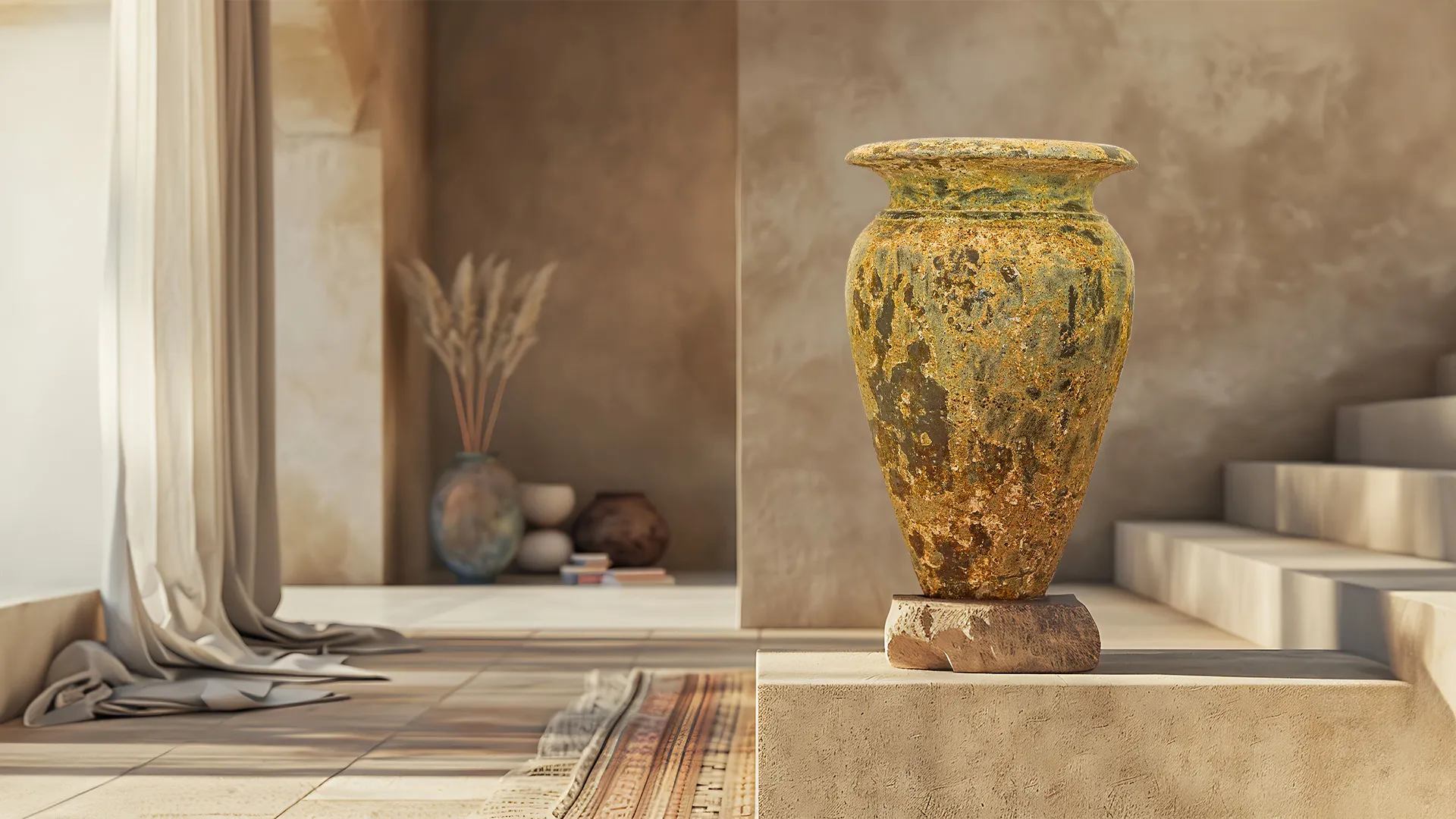
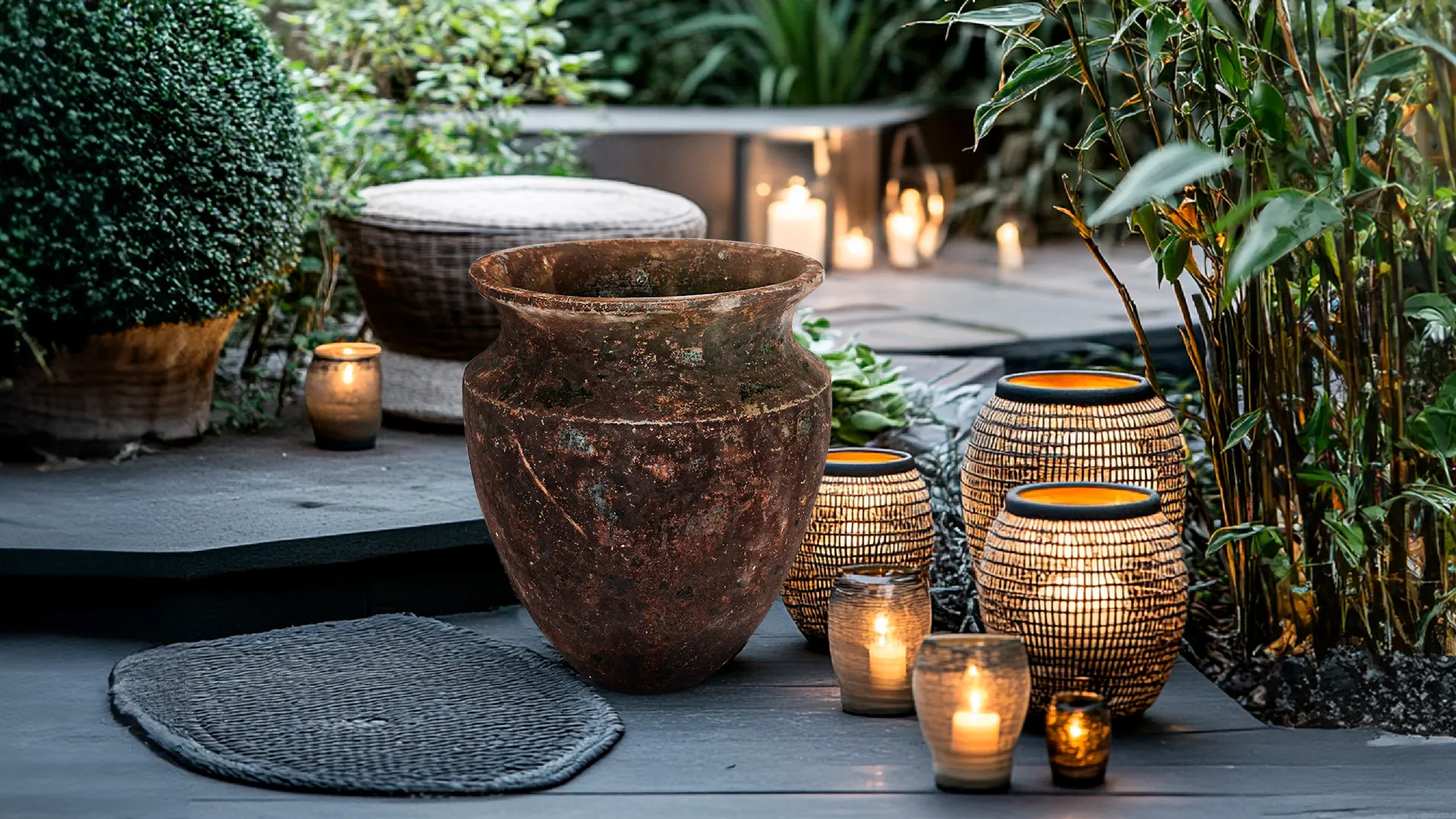
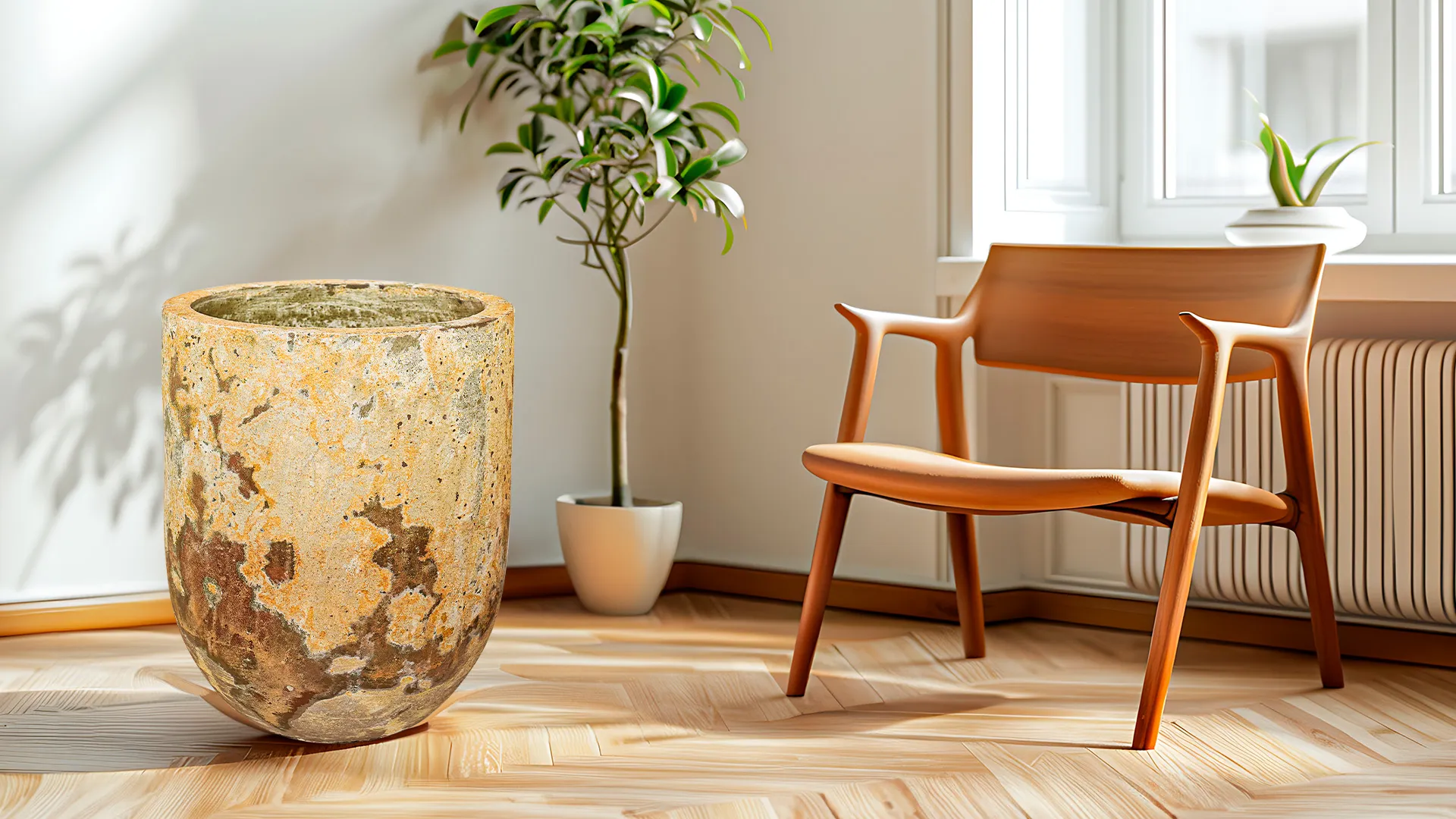
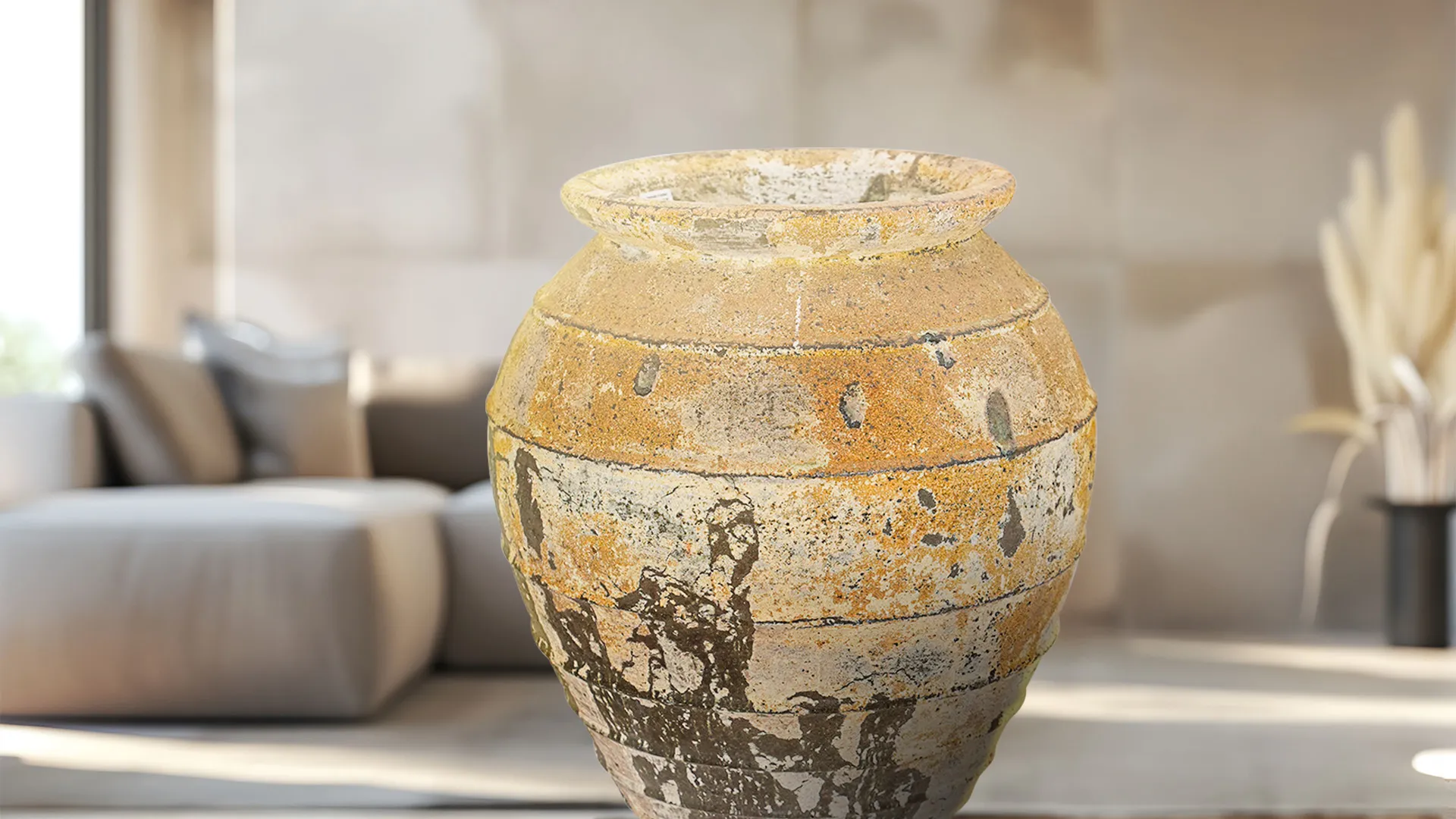
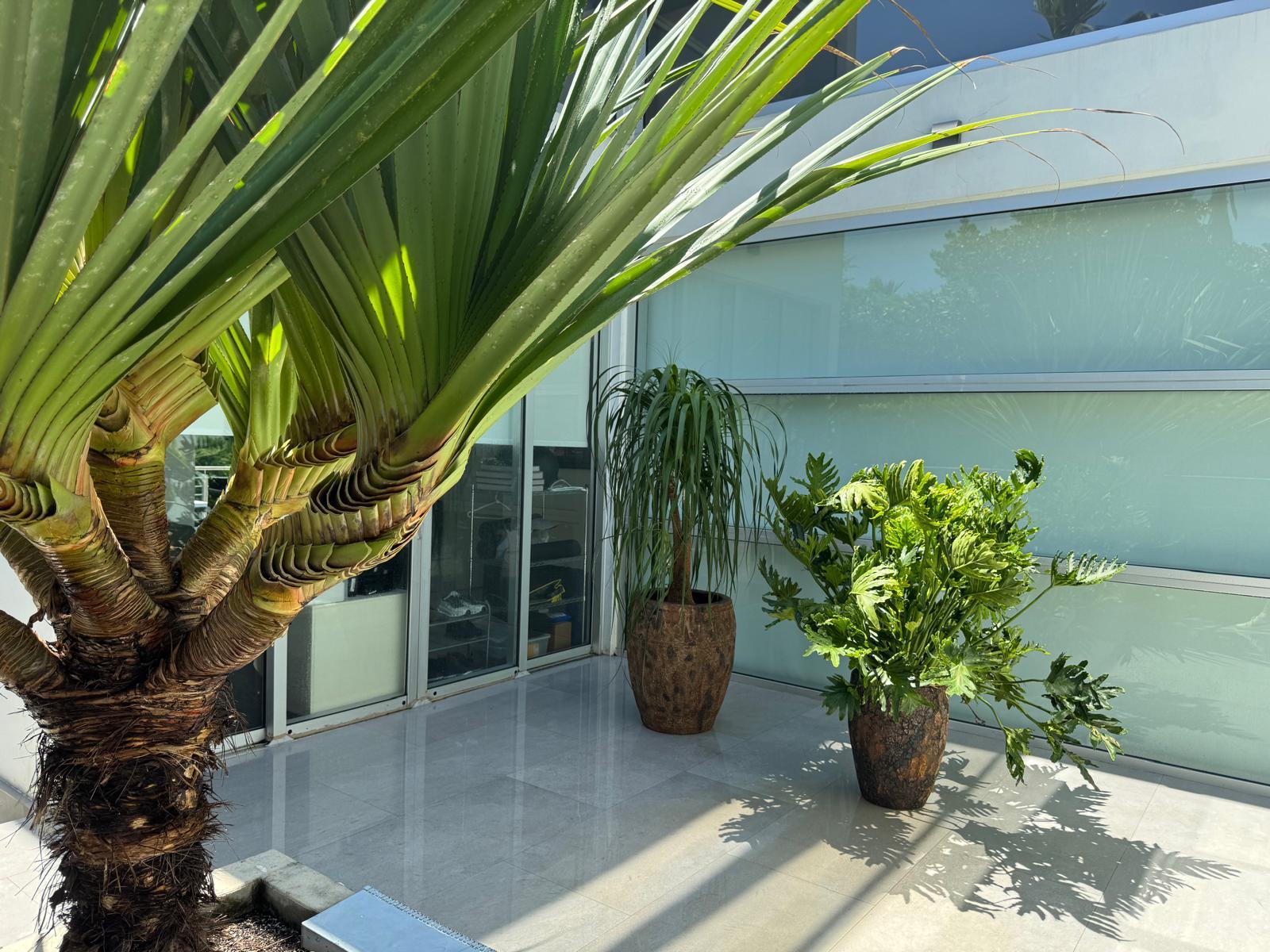
Our collection of Vietnamese clay pots features organic forms, distinctive textures, and earthy finishes that complement a wide range of architectural styles. Whether displayed in a refined interior, positioned along a garden pathway, or used as a statement piece in an outdoor living area, each vessel contributes character and a natural sense of balance.
More than decorative accessories, handcrafted pots can become meaningful elements within a space. Their scale, materiality, and sculptural presence help establish focal points while creating visual connections with surrounding plants, stone, wood, and other natural finishes.
Bringing Neuroarchitecture Into Everyday Design
Applying the principles of neuroarchitecture begins with understanding how people interact with their surroundings. Thoughtful design choices can help create environments that feel more inviting, harmonious, and connected to nature.
Consider these elements:
Natural textures: Incorporate clay, stone, wood, and other tactile materials to introduce depth and authenticity.
Earthy color palettes: Use warm neutrals, terracotta, sand, and mineral tones to create visual harmony.
Organic shapes: Choose sculptural forms and natural silhouettes that soften rigid architectural lines.
Biophilic design: Combine pottery, greenery, natural light, and organic materials to strengthen the relationship between indoor and outdoor environments.
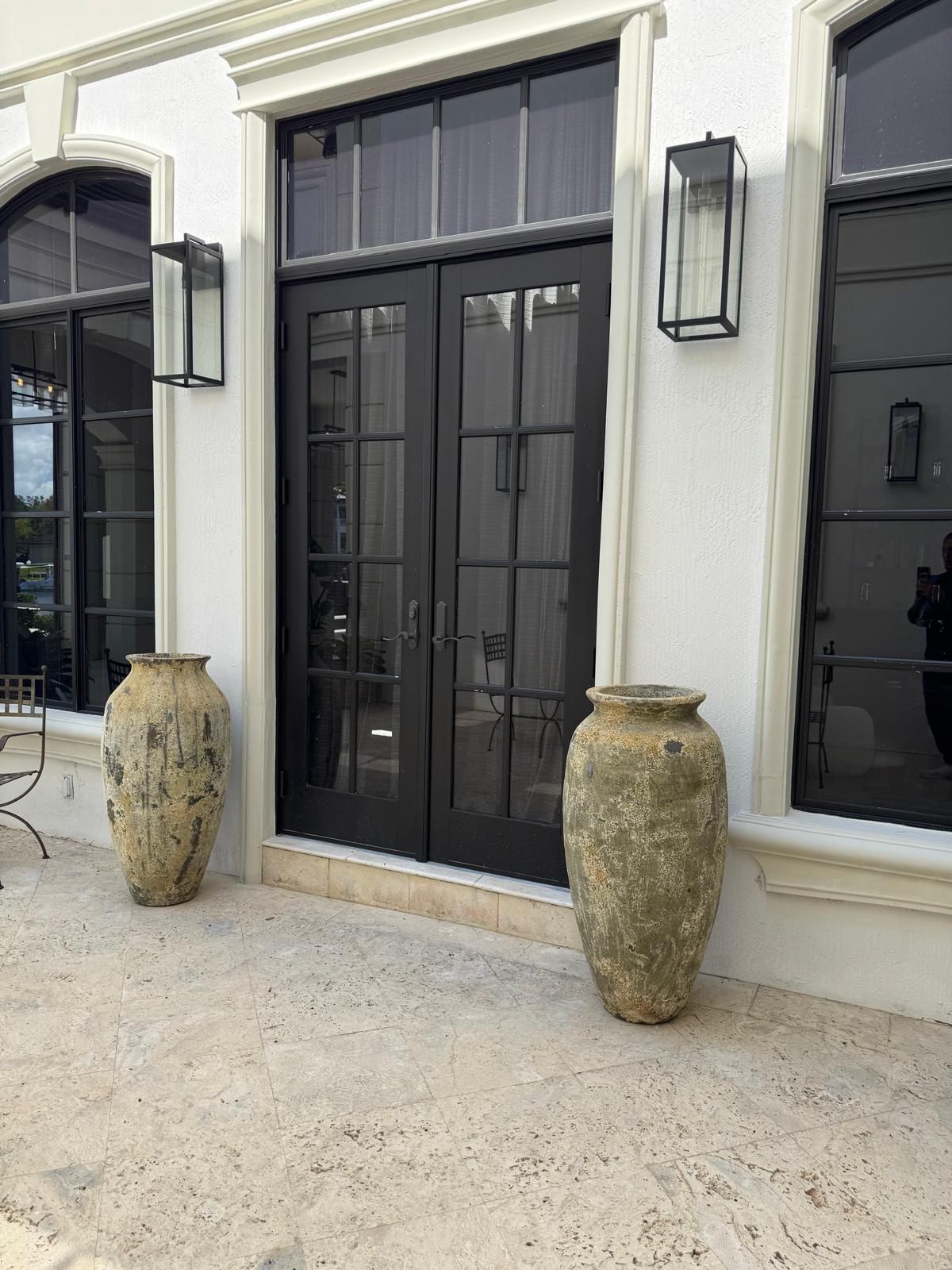
Intentional placement: Use statement pots to define entrances, frame pathways, highlight architectural features, or create focal points in gardens and patios.
The goal is not simply to decorate a space, but to create an environment where materials, forms, and nature work together to shape a more thoughtful experience.
Designing Spaces That Feel Naturally Connected
As contemporary architecture continues to embrace wellness and biophilic design, natural materials and handcrafted objects remain valuable tools for creating spaces with character and meaning.
At Horizon Pottery, we believe that thoughtful design begins with the details. Through the combination of craftsmanship, organic textures, and timeless forms, our pottery brings a natural presence to residential, commercial, and outdoor environments.
Discover the Horizon Pottery collection and explore how handcrafted design can bring warmth, texture, and a lasting connection to nature into your next project.